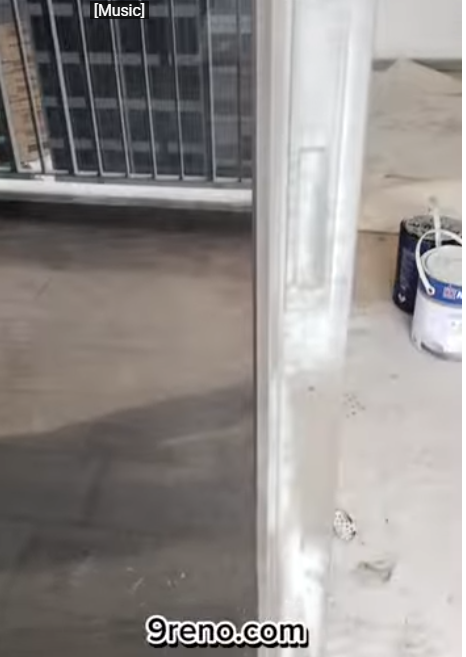
Understanding Why Your Balcony Aluminium Sliding Door Loses Its Shine
If you’ve noticed your balcony aluminium sliding door turning dull, patchy, or faded, you’re not alone. Many homeowners across Singapore’s HDBs, condos, and landed homes face this issue, especially in properties that are a few years old. The constant exposure to UV rays, humidity, rain, and salty air slowly affects the door’s original coating, leading to fading, oxidation, or discolouration.
In this article, we’ll explain why this happens, what signs to look out for, and what you can do about it. You’ll also learn how professional repair and respraying or refinishing services can bring back the sleek, modern look of your sliding doors—without needing full replacement.

Common Causes Behind Aluminium Sliding Door Fading and Discolouration
1. Constant Sun and UV Exposure
Balcony doors in Singapore often face direct sunlight for hours daily, especially in west-facing units. Over time, UV rays break down the protective coating on aluminium surfaces, causing the paint to fade or lose its gloss. This is a natural oxidation process that happens even on premium powder-coated finishes.
2. High Humidity and Moisture Exposure
Singapore’s tropical climate accelerates corrosion and oxidation, particularly when moisture seeps into the small gaps between the aluminium frame and glass panel. This results in white powdery stains or uneven colour patches known as oxidation marks.
3. Poor-Quality Powder Coating or Paint
Not all aluminium door frames are created equal. Some older HDB or condo units use low-grade coatings that deteriorate faster. Without proper anodising or UV-resistant finishes, these coatings fade within a few years, especially on balconies with minimal shelter.
Another reason will be the frame surface has been touch up or repair before and using fast dry paint which is non-UV resistance paint. Over time, the colour will be faded or discoloured.
4. Air Pollution and Chemical Exposure
If you live near industrial zones or busy roads, airborne pollutants such as acid rain or exhaust residue can stick to the door’s surface. Over time, these react chemically with the aluminium layer, creating discolouration or chalky surfaces.
5. Cleaning with Harsh Chemicals
Many homeowners unknowingly damage their aluminium doors by using strong detergents or abrasive sponges. Cleaning agents containing ammonia or acid strip away protective layers, leading to patchy fading and stains.
Visible Signs Your Aluminium Sliding Door Needs Attention
It’s easy to overlook early warning signs of discolouration until the damage becomes obvious. Watch for these symptoms:
- Uneven fading on the door frame or track
- Chalky residue that appears when you wipe the surface
- Dull or patchy appearance despite cleaning
- Corrosion marks (white spots or powdery patches)
- Paint peeling or flaking near corners or handles
When these signs appear, it’s best not to delay—oxidation tends to spread, and once the coating is compromised, water damage can follow.
DIY Checks or Temporary Fixes You Can Try
While professional repair is often the best long-term solution, you can try these DIY maintenance tips to slow down the deterioration:
- Gentle Cleaning:
Use mild soap and water with a soft cloth. Avoid abrasive materials that can scratch or remove the coating. - Protective Wax or Sealant:
Apply a thin layer of automotive-grade wax to help repel moisture and UV rays temporarily. - Shade Installation:
If your balcony receives intense sunlight, consider adding UV-filtering window film or balcony blinds to reduce exposure. - Avoid Harsh Chemicals:
Never use bleach, vinegar, or strong solvents on aluminium frames—they accelerate oxidation.
These steps can help maintain your door’s condition, but once fading or corrosion has begun, a professional surface restoration is often necessary to achieve lasting results. The best is resurfacce/ repaint/ respray with PU paint which is UV resistance.
Why You Should Call a Professional
1. Proper Surface Preparation
Professionals don’t just repaint over faded surfaces—they start by removing the oxidation layer and sanding the aluminium for smoothness. This ensures that the new coating adheres properly.
2. Use of Industrial-Grade Coatings
At 9reno, for example, technicians use UV-resistant epoxy or polyurethane coatings specially designed for Singapore’s humid weather. These coatings are durable, fade-resistant, and available in a variety of modern finishes (like ash white, matte black, or champagne silver).
3. Seamless Repainting Without Removal
For most HDB or condo settings, the door doesn’t need to be dismantled. Professionals can mask surrounding glass panels and tracks, then spray directly on-site—minimising downtime and mess.
4. Professional Colour Matching
If your door is part of a set (e.g. living room and balcony sliding doors), professionals can match the exact tone and gloss level to achieve a uniform finish across all panels.
5. Long-Term Durability and Protection
A professional repaint or resurface not only restores the colour but also adds a fresh protective layer against UV and moisture, extending your door’s lifespan by several more years.
Process of Repair, Repainting, or Resurfacing
Here’s what typically happens during a professional aluminium sliding door restoration in Singapore:
- Inspection:
The team checks for oxidation level, existing coating type, and surface integrity. - Surface Preparation:
Any dirt, grease, or old flaking paint is cleaned off. Corroded areas are sanded and primed. - Masking and Protection:
The glass panels, handles, and nearby walls are carefully covered to prevent paint overspray. - Spray Painting or Coating:
A high-quality epoxy or polyurethane coating is applied evenly with a spray gun, ensuring smooth and consistent texture. - Drying and Finishing:
The coating is left to cure fully. A final inspection ensures the finish is even and free of streaks or dust.
This process can usually be completed within one to two days, depending on the door size and weather conditions.
Consequences of Ignoring Fading or Discolouration
Leaving your aluminium sliding door faded or discoloured isn’t just an aesthetic issue—it can lead to:
- Faster oxidation and corrosion of the aluminium frame
- Loose tracks or compromised sealing, allowing rainwater to seep in
- Reduced property value and visual appeal, especially in resale HDB or condo units
- More expensive repairs later, once the coating is beyond restoration
Timely repainting or refinishing not only restores appearance but also protects your investment in the long term.
Conclusion: Restore the Beauty and Protection of Your Balcony Sliding Door
Your balcony aluminium sliding door is exposed daily to Singapore’s intense sunlight, humidity, and rain. Over time, it’s natural for the surface to fade, dull, or discolour. But with proper care and timely professional help, you can restore its original colour and extend its lifespan.
Whether you live in an HDB flat, condo, or landed home, addressing this early prevents more serious damage.
If you’re facing this problem at home, contact 9reno.com for professional inspection and aluminium door repainting services in Singapore. Their experienced team can help restore your door’s shine, improve durability, and give your balcony a refreshed, modern look.
Further Reading: aluminium sliding door repair Singapore, balcony door discolouration, powder coating fading, repaint aluminium frame, HDB balcony renovation, condo maintenance, aluminium respray Singapore, handyman repaint door, corrosion repair, 9reno.com
Leave a Reply